
Grow Your Business
How to Become a Licensed Plumber: 5 Steps to Get Started
December 2, 2025
Updated on February 24, 2026
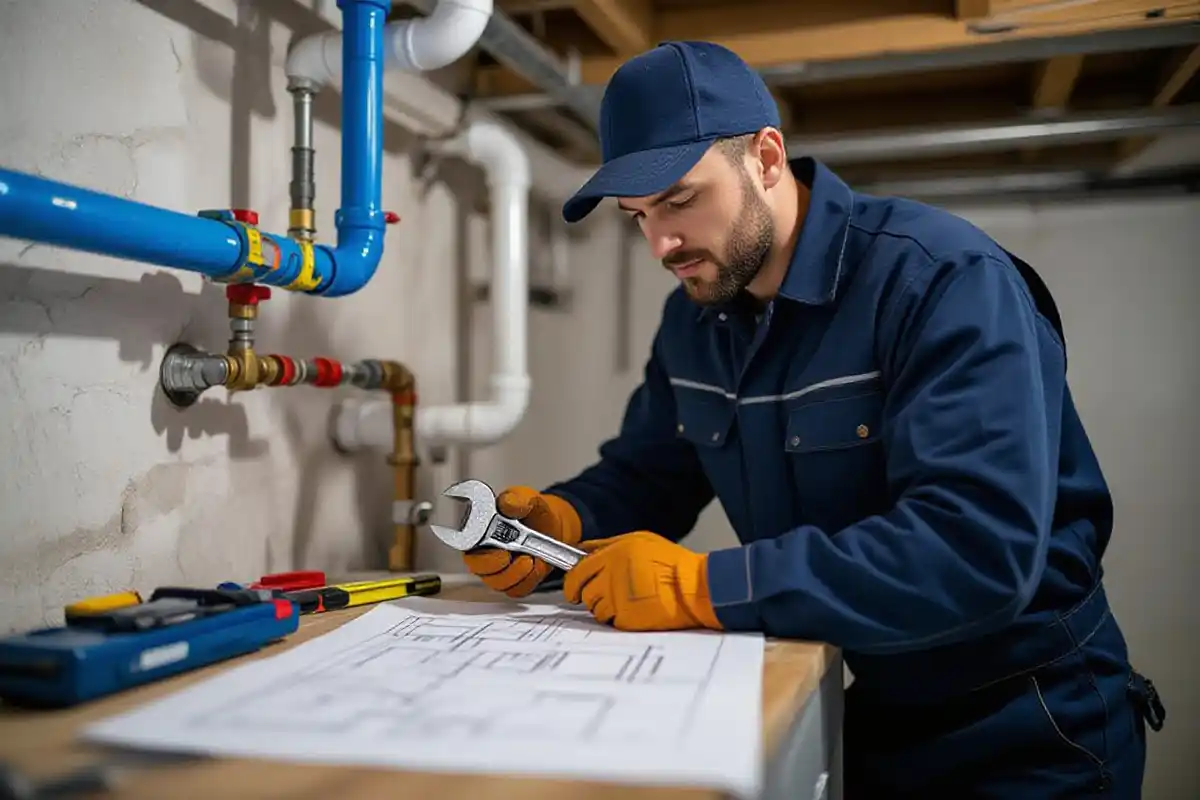
Just follow five practical steps to build your plumbing career: get classroom training, secure an apprenticeship, log hands-on hours, pass the journeyman exam, and apply for your license. You’ll learn codes, safety, and diagnostic skills while developing on-the-job experience and professional references that licensing boards require.
Key Takeaways
- Complete foundational education—high school math/physics and a vocational or trade school plumbing program.
- Enter a paid apprenticeship to gain required on-the-job hours and supplemental classroom instruction.
- Meet experience thresholds and pass the journeyman licensing exam; submit documentation to your state plumbing board.
- Fulfill additional requirements such as background checks, insurance/bonding, and continuing education.
- Advance your career by specializing (gas, medical gas, sprinkler systems, backflow) or pursuing a master/contractor license.
Understanding the Plumbing Profession
Overview of Plumbing
Plumbers work across residential, commercial, and industrial systems—water supply, drainage, gas, fixtures, and water heaters. Daily tasks include installing piping, diagnosing leaks, pressure testing, and ensuring code-compliant venting and backflow prevention. The field offers steady demand; median U.S. pay is around $60,000 and projected job growth is roughly 5% through 2032.
Job Responsibilities and Required Skills
You install and repair pipes, fixtures, and appliances; read blueprints; pull permits; and perform tasks like soldering, threading, pressure testing, and leak detection. Expect to use tools such as pipe cutters, benders, threaders, and inspection cameras. Success requires physical stamina, math competency, diagnostic skills, and strong customer communication. Know how to use technology such as plumbing business software is also beneficial.
Apprenticeships typically last 4–5 years with thousands of supervised hours. After gaining experience as a journeyman, you may qualify to pursue a master license with expanded technical and supervisory responsibilities.
Educational Requirements
To qualify for licensure, most states require a high school diploma or GED, trade-school coursework, and completion of an apprenticeship with thousands of on-the-job hours and several hundred classroom hours.
High School Diploma or GED
You should have solid preparation in algebra, geometry, and a lab science like physics. Shop, drafting, or vocational HVAC/plumbing classes also help when applying to apprenticeships.
Plumbing Training Programs
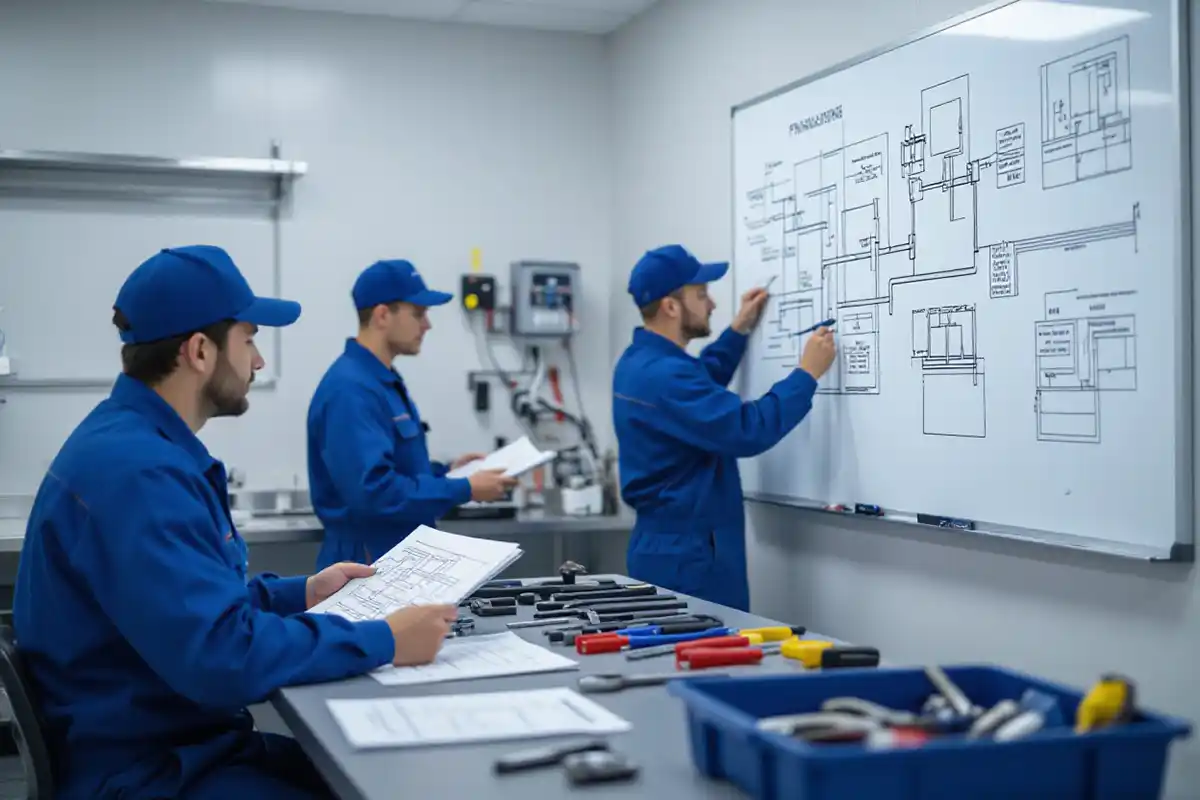
Trade schools and community colleges offer 6–12 month certificate programs or 2-year associate degrees covering pipefitting, codes, blueprint reading, safety, soldering, and fixture installation. Programs may include OSHA-10, backflow prevention, and bench lab installations.
Required Plumbing Courses
Core coursework includes blueprint reading, pipe systems, fixture installation, gas piping, water supply and drainage systems, hydraulics, and code compliance (IPC/UPC). Most licensing exams test code knowledge, trade math, and practical troubleshooting.
Apprenticeship Opportunities
Apprenticeships convert classroom training into real-world skills. Most programs last 4–5 years and require 8,000–10,000 hours of paid on-the-job work plus 500–900 hours of classroom instruction.
Finding an Apprenticeship
Seek opportunities through:
- UA union locals
- Contractor-sponsored programs
- Community college partnerships
- Workforce development centers
- Job boards
Most programs require age 18+, a high school diploma/GED, an aptitude test, drug screening, and reliable transportation.
Requirements and Benefits
You earn progressive wages (often starting at 40–60% of journeyman pay), receive structured training, and build documented work hours required for licensure. Many programs include health benefits, classroom instruction, and opportunities for specialization.
Importance of Hands-On Experience
Hands-on work teaches pipe joining, blueprints, leak diagnostics, slope calculations, system testing, and code application. By your second or third year, you’ll lead fixture installs and rough-ins under supervision. Tracking hours and competencies helps streamline license applications.
Licensing Process
After completing education and apprenticeship requirements, you’ll apply for a state plumbing license. Most states require 2,000–8,000 verified work hours, passing a journeyman exam, and submitting fees and documentation.
Types of Plumbing Licenses
Common license categories include:
- Apprentice – entry-level, supervised work
- Journeyman – independent work within scope; requires exam
- Master – advanced technical authority; can supervise and pull permits
- Contractor/Business License – required to bid work and operate a plumbing business
- Specialty Licenses – backflow, medical gas, hydronics, etc.
Steps to Obtain a License
- Complete trade-school instruction or classroom coursework.
- Log required apprenticeship hours (2,000–8,000 depending on state).
- Pass your state’s journeyman or master exam.
- Submit application, experience verification, background check, insurance, and fees.
Exam Preparation
Plan 6–12 weeks of study. Focus on:
- Plumbing code (IPC/UPC)
- Pipe sizing and hydraulics
- Drainage, venting, and water supply
- Gas systems
- Safety and testing procedures
Use the current codebook, state exam guides, and practice tests.
Continuing Education and Specialization
Most states require 8–24 hours of continuing education per renewal cycle (1–3 years). Courses cover code updates, safety, backflow certification, green plumbing, tankless systems, and manufacturer training.
Importance of Ongoing Training
Codes update every three years, and new technologies (PEX, trenchless, leak-detection systems) change installation standards. Staying current reduces rework and expands your job opportunities.
Potential Specializations
You can specialize in:
- Backflow prevention/testing
- Medical gas systems
- Fire suppression piping
- Hydronic heating and boilers
- Commercial plumbing
- Service and repair
- Water treatment systems
Specialists often earn higher pay and qualify for complex, long-term contract work.
To Wrap Up
Follow the five-step path: complete technical training, enter an apprenticeship, log required hours, pass your licensing exam, and maintain credentials through continuing education. With consistent effort and documented experience, you’ll build a strong foundation for a long-term plumbing career.