
Grow Your Business
EV Charger Installation Scheduling: How Electricians Beat the Permit-and-Utility Backlog
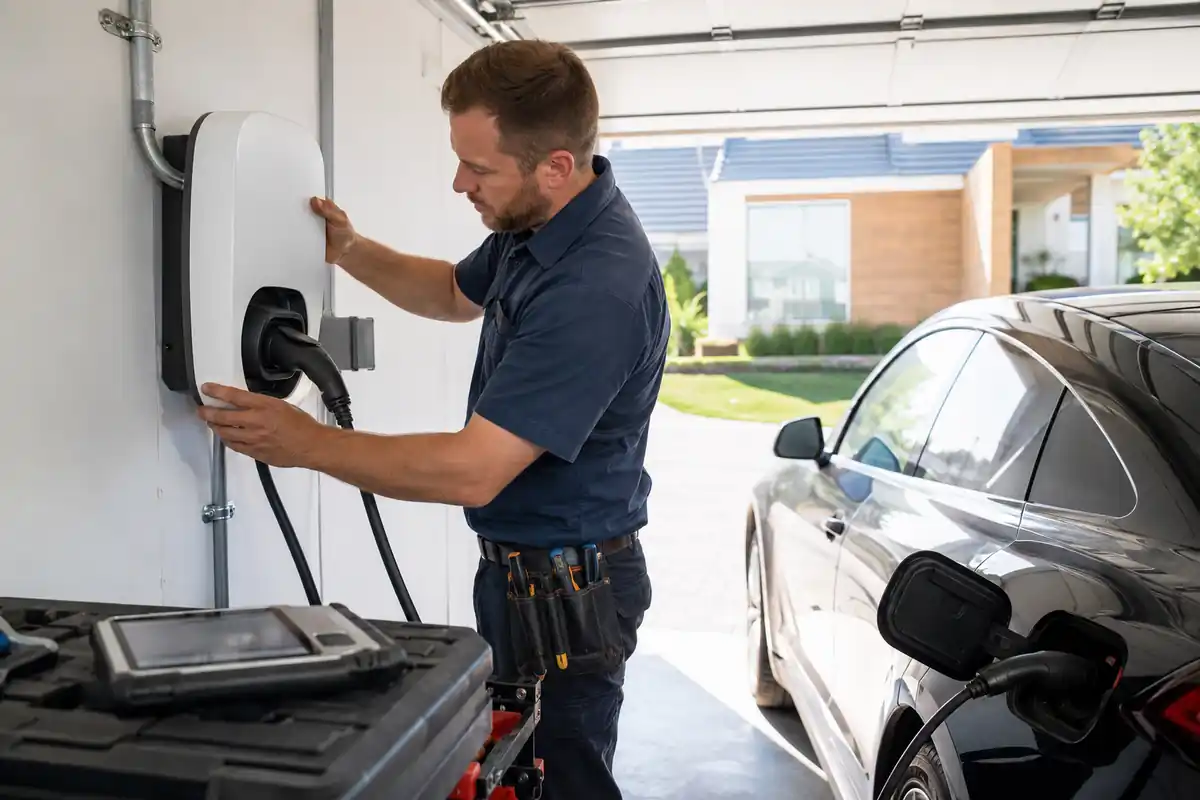
A homeowner calls on Monday wanting a Level 2 charger live by the weekend. You know the truck work is only three to six hours, but the permit, the utility sign-off, and the final inspection can stretch the real timeline to four or six weeks. That gap between what the customer pictures and what the process allows is where deposits get refunded and five-star reviews turn into one-star complaints. Sharp EV charger installation scheduling is how you close it. It converts a chaotic string of phone tag with permit offices and power companies into a predictable pipeline your crew and your customers can both trust. This guide shows how electricians can schedule EV charger installs around the constraints that actually control the calendar, using the same operational discipline that should run the rest of your electrical contractor software stack.
Why EV Charger Installation Scheduling Became a Bottleneck
Demand is not the problem anymore. The labor and the paperwork behind each install are. NEC 2026 Section 625.4 requires that permanently installed, hardwired EV charging equipment be put in by a qualified person, which most jurisdictions read as a licensed electrician. That single rule tightens the supply of people legally allowed to do the work at the exact moment more homeowners want chargers.
The math shows up on your calendar fast. In busy metros, well-run electrical shops are booked four to six weeks out. Every EV job you take carries a hidden tail of permit review, utility coordination, and inspection that a normal service call does not. If you schedule these installs the way you schedule a panel swap or an outlet repair, the tail whips your whole week out of shape. One delayed utility sign-off can cascade into three rescheduled crews and a stack of angry voicemails.
The shops that win the EV market are not the ones with the fastest trucks. They are the ones with the tightest scheduling around the slow parts of the process. That is a planning problem, and planning problems are solvable.
Map the Real Timeline Before You Promise a Date
The most expensive scheduling mistake is quoting a completion date off the truck work alone. A clean install on a nearby panel is a single-day, three-to-six-hour job. The calendar, though, is governed by three outside steps you do not fully control. Build your schedule around them, not around the wrench time.
The Site Visit and Load Calculation
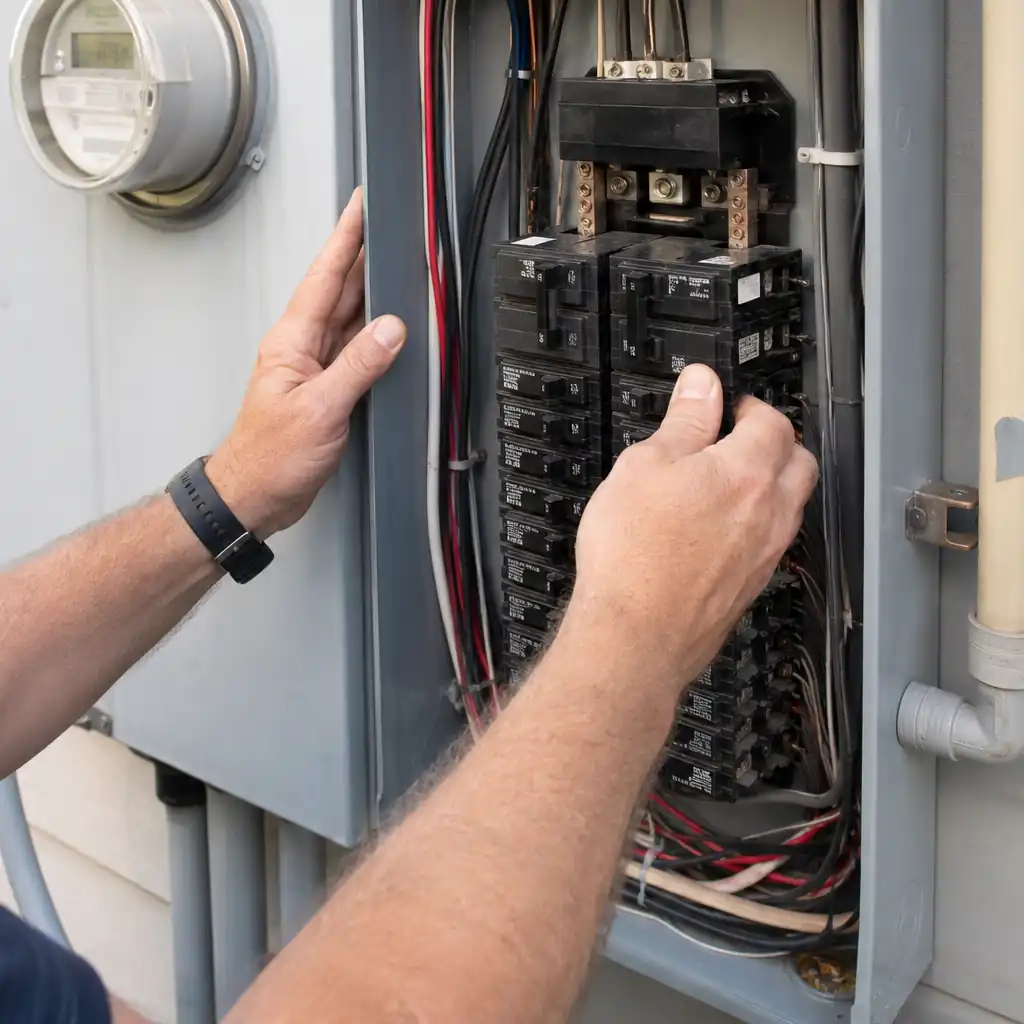
Every EV job should start with a load calculation, not a truck roll. A 40-amp or 48-amp continuous charger can push an older 100-amp service past its limit, and you will not know that from a phone call. Book a short site visit or collect photos of the panel, the meter, and the proposed charger location before you slot the install. This one step tells you whether the job is a half-day drop-in or a service upgrade that doubles the scope and adds a second inspection.
Permits and Utility Coordination
Permits usually process in one to five business days and run $50 to $300, so they rarely break a schedule on their own. Utility coordination is the real wildcard. When a job needs a service upgrade from 100 to 200 amps, you are now waiting on the power company, and those windows swing from two weeks to eight depending on the market. Track each job's permit and utility status as its own milestone so nothing sits idle. If you want a repeatable system for the paperwork side, our guide to building a permit tracking workflow walks through it step by step.
Inspection Sequencing
The final inspection is often included in the permit fee and gets scheduled within a few days of completion. The trap is sequencing. If a job needs a panel upgrade, you may need a rough inspection before you can energize, then a final after the charger is set. Put both inspection points on the calendar the day you book the job, and hold the customer's expectations to the inspection date, not the install date.

Build an EV Charger Installation Scheduling Workflow That Holds
Reliable EV charger installation scheduling is less about the perfect calendar app and more about a consistent sequence every job runs through. Codify these stages so any office coordinator can move a job forward without guessing.
- Qualify before you book. Capture the charger amperage, panel size, service rating, and run distance during the first call. A five-minute intake form stops you from scheduling a "quick install" that turns into a service upgrade on arrival.
- Stage the job by milestone, not by day. Track each install through five states: qualified, permitted, utility cleared, installed, inspected. A job only advances when the prior gate is done.
- Batch by geography. EV installs cluster in the same neighborhoods as early adopters talk to each other. Group same-area jobs on the same day to cut windshield time, the same way good scheduling software for electricians optimizes any route.
- Hold a buffer for upgrades. Reserve one or two flex slots a week for jobs that reveal a needed panel upgrade mid-process. Without a buffer, every surprise upgrade bumps a booked customer.
- Automate the status updates. Customers panic in silence. A simple text when the permit clears and again when the utility signs off cuts inbound "any update?" calls dramatically.
When these stages live inside one system instead of a whiteboard and three inboxes, the office stops chasing information and starts moving jobs. That is the entire point of running your dispatch through purpose-built service scheduling software rather than a shared calendar.
Ready to level up your business?
Try Bella FSM free and transform the way you work.
The Numbers That Tell You the Schedule Is Working
You cannot fix what you do not measure. Four metrics separate a profitable EV install operation from a busy one that loses money on rework and refunds.
- Quote-to-live lead time. Track the days from signed quote to energized charger. Your goal is a shrinking, predictable number you can promise honestly. If it swings wildly, the utility step is usually the culprit.
- Panel-upgrade rate. The share of your EV jobs that need a service upgrade. A 100-to-200-amp upgrade adds roughly $1,500 to $4,000 and can double the ticket, so knowing this rate lets you quote and staff accurately.
- First-visit completion rate. How often the crew finishes in one trip versus needing a return. Low rates almost always trace back to weak qualification up front.
- Schedule adherence. The percentage of installs completed on the promised date. This is the number that drives reviews and referrals, and it is the direct payoff of milestone-based scheduling.
Watch these on a dashboard, not in your head. When lead time creeps up, you will see it before the complaints start, and you can add a utility-coordination touchpoint or a flex slot to pull it back.
Mistakes That Blow Up Your EV Schedule
A few recurring errors cause most of the pain. Each one is avoidable with a rule your team follows every time.
- Quoting off wrench time. Promising a Saturday finish because the install is "only a few hours" ignores the permit and utility tail. Quote to the inspection date instead.
- Skipping the load calculation. Booking without confirming the service rating is how a half-day job becomes a two-visit upgrade that wrecks the following week.
- Treating permits and utility as one step. They move on different clocks. A job can be permitted in two days and still wait a month on the utility. Track them separately.
- Going silent between milestones. The four-week wait feels like abandonment to a customer with no updates. Automated status texts from your electrical contractor CRM software fix this cheaply.
- Handling billing as an afterthought. Deposits, progress billing on upgrades, and final invoices should trigger automatically off job status. Tying it to your electrician invoicing keeps cash moving while jobs sit in the utility queue.
Ready to take your business further?
Start using Bella FSM free and work smarter.
If you are still deciding whether to lean into this line of work at all, our overview of adding EV charging to your service lineup covers the business case before you commit crews to it.
Frequently Asked Questions
Turn EV Demand Into a Schedule You Can Trust
The EV wave is real, and the electricians who profit from it are the ones who treat the calendar as seriously as the wiring. Solid EV charger installation scheduling means quoting to the inspection date, tracking permits and utility work as separate milestones in your electrical contractor scheduling software, holding a buffer for surprise upgrades, and keeping customers informed the whole way through from an electrical contractor crm that logs every touch. Do that consistently and you convert a stressful stream of one-off installs into a dependable, high-margin line of business. Bella FSM’s electrical contractor business software gives you the scheduling, dispatch, and invoicing tools to run that pipeline from one place. Start a free trial and see how much smoother your next EV install books.
Ready to grow your business?
Try Bella FSM free and simplify your work.