
Grow Your Business
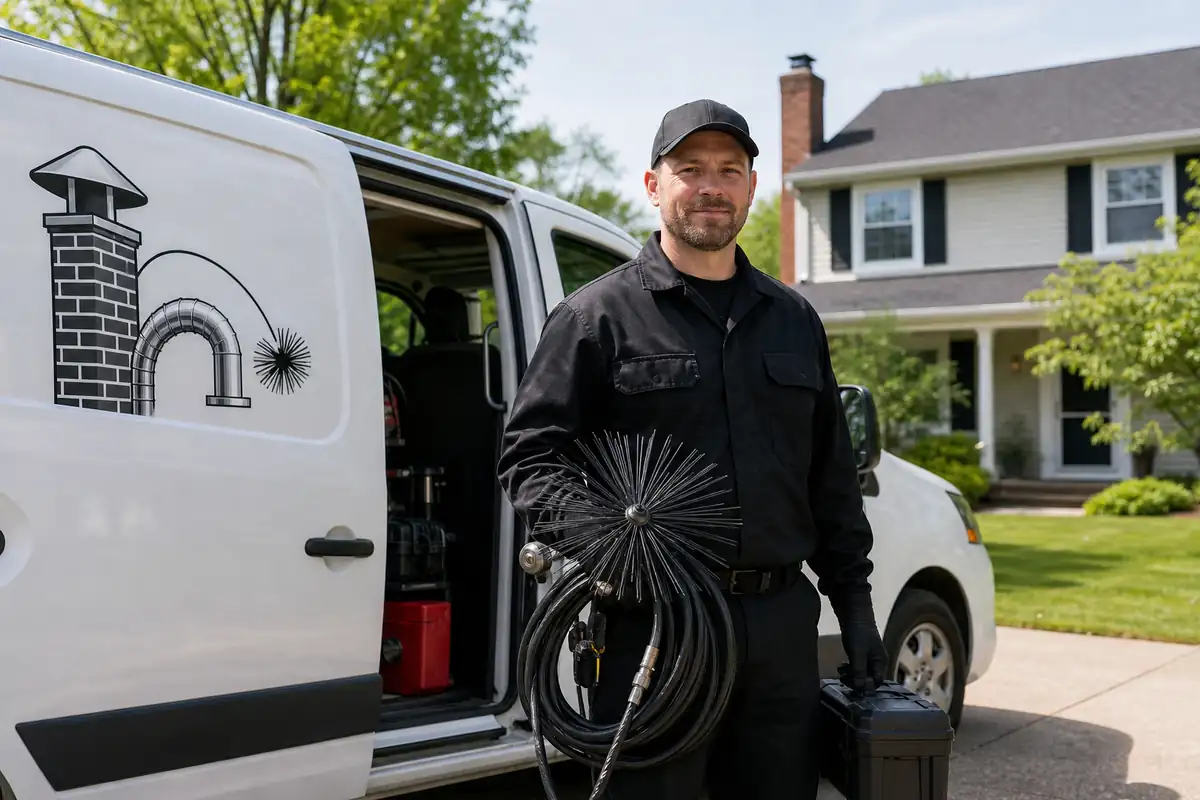
The chimney sweep calendar runs hot from October through January, then goes quiet. By May, your phones have stopped ringing, your trucks are sitting half-used, and your best technicians are trimming hours or worse, taking other jobs. Sound familiar? The fix most successful sweep owners have settled on isn't a new marketing channel or a price hike. It's a second service line that uses the same skills, customers, and trucks you already have: dryer vent cleaning. The decision to add dryer vent cleaning to your chimney sweep business can flatten your seasonal revenue curve, fill technician hours through the summer, and cross-sell into your installed customer base. This guide walks through why it works, what it costs to launch, how to price it, how to schedule it, and how to market it without confusing the customers who already know you for fireplaces.
Why You Should Add Dryer Vent Cleaning to Your Chimney Sweep Business
Chimney sweeps already understand combustion, draft, lint accumulation, and brushing dynamics — the exact knowledge a dryer exhaust technician needs. The U.S. Consumer Product Safety Commission documents roughly 15,500 dryer exhaust fires each year, with about 10 deaths and 310 injuries from the same cause. Homeowners increasingly know that, and they prefer hiring a venting specialist over a generic duct-cleaning outfit. That demand is durable, and it grows in the warm months — exactly when chimney work slows down.
The economics are compelling for a sweep operator. A single-family dryer vent service typically takes 45–90 minutes, runs $130–$220 in most metros, and uses your existing chimney brushes, rotary tools, and HEPA vacuum with a different head. Your truck doesn't change. Your insurance carrier won't blink. Your bookkeeping stays in one ledger.
The clincher: unlike trying to bolt on roofing or HVAC work, dryer vent cleaning lives inside the same competency, certification, and customer-trust circle you already operate in. For more on building diversified, recurring income, see our guide to ways to increase revenue from existing customers.
The Skills, Equipment, and Certifications You Already Have
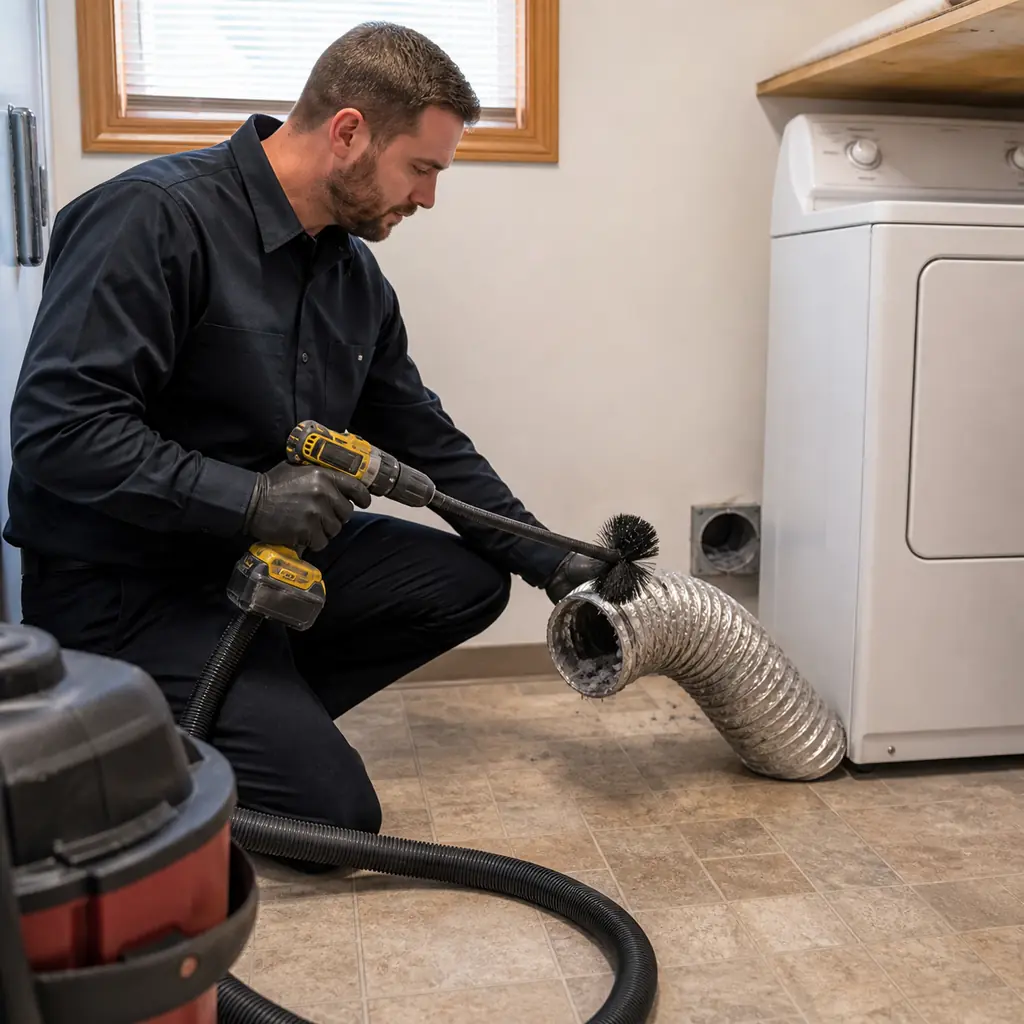
If you already do level-1 chimney inspections, the technical learning curve is short. The CSIA Certified Dryer Exhaust Technician (C-DET) is the only nationally recognized credential for dryer vent work and is honored in all 50 states. The 50-question exam (80% to pass) takes a single day to review and certify, or three days to learn from scratch. The CSIA technician locator pushes inbound leads to certified pros at no cost — a free marketing channel many sweep owners never take advantage of.
What you already have:
- Combustion theory, draft mechanics, and lint behavior fluency
- Rotary brushes, drill-driven flexible rods, and HEPA vacuums
- Inspection cameras, drop cloths, and clean-up routines
- An inbound channel through repeat fireplace customers
What you need to add:
- A 4-inch flexible vent brush kit with longer rods (typically $300–$700)
- A high-CFM blower or air-whip attachment for stubborn lint mats
- A dryer-airflow meter for before-and-after pressure readings
- A booking workflow that captures dryer location, vent length, and roof vs. wall termination on the call
Optional add-ons worth bundling
Once your team is comfortable with vents, simple repairs (terminations, transition hoses, bird-screen replacements) become easy upsells. They turn a $180 cleaning into a $310 service ticket without adding a second visit and without sending a separate truck. Train your technicians to quote those add-ons on the spot in your chimney sweep invoice software rather than schedule a return trip.
Ready to level up your business?
Try Bella FSM free and transform the way you work.
Pricing and Packaging Dryer Vent Services
Pricing dryer vent cleaning isn't the same exercise as pricing a full chimney sweep. The job is faster, the materials cost is lower, and the customer's mental price anchor is closer to appliance repair than fireplace service. Most successful operators land on three tiers:
- Standard cleaning (single-story, exterior wall vent): $130–$160
- Long-run cleaning (vent runs over 15 ft or roof termination): $180–$240
- Multi-unit package (apartment property, HOA): $65–$95 per unit on a route
Build pricing logic into your dispatching tool from day one. The right service scheduling software lets you set service-line specific durations and price floors so a 60-minute vent job doesn't get booked into a 30-minute chimney inspection slot. If your platform uses field service CRM properly, it should also remind dispatch when an existing chimney customer is due for their first vent service. That reminder, driven by your chimney sweep crm software, is the easiest sale you’ll ever make.
Bundle deliberately. Don't discount the bundle below the higher of the two service prices. The right framing is an annual safety package, chimney plus dryer vent sold at full price. Both with priority booking and a multi-year warranty on parts as the perceived perks. For broader pricing strategy on the chimney side, see our chimney sweep pricing guide.
Building Your Schedule Around Two Service Lines
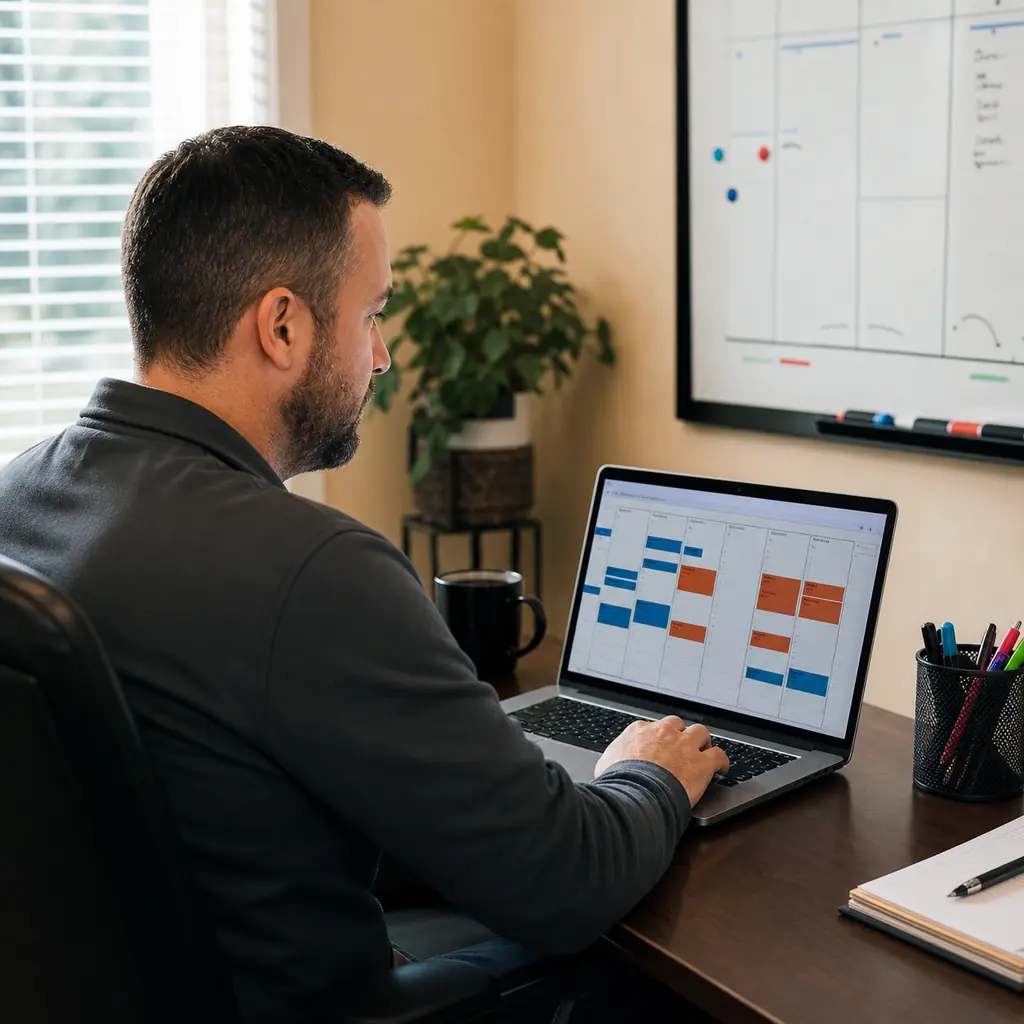
The single biggest mistake sweep owners make in their first year offering vent service is treating it as overflow. Dryer vent jobs need their own slots, their own truck inventory, and ideally their own technician designation in your scheduling tool. Otherwise you'll hit two predictable failures: chimney technicians running late on vent work because they assumed it was easy, and dispatchers booking back-to-back vent jobs across town when you could have routed three on the same street.
Three rules from operators who have done this well:
- Set service-line capacity, not just calendar capacity. Tell the system 'we can do 6 chimney sweeps a day or 10 vent cleanings a day' and let the dispatcher reshape the day automatically. Capable dispatch software handles this with service-type rules.
- Block the calendar by season, not by week. October through February: 80% chimney, 20% vent. May through August: 30% chimney, 70% vent. Use work order software to pre-load multi-stop vent routes during shoulder months.
- Capture the right data on intake. The five fields that prevent surprises: dryer location, vent length estimate, roof vs. wall termination, age of dryer, and whether the customer has had recent symptoms (clothes hot but damp, dryer running long, lint outside the trap). Your call-takers should ask these every time.
Train technicians to leave both service lines on the customer's record after every visit. The best vent customers are last winter's chimney customers, and the best chimney customers in 2027 are this summer's vent customers.
Ready to take your business further?
Try Bella FSM free and transform the way you work.
Marketing Dryer Vent Services Without Confusing Your Brand
You don't need to rename your company or build a separate website. You need to broaden the conversation already happening with your customers. Three moves get most operators 60–80% of the new revenue they'll eventually book.
Email and SMS your existing list
Go through your installed base and segment customers who haven't had a vent cleaning in 24 months (or ever). Send a plain, direct message: 'Hi [first name], your fireplace is in good shape — when did your dryer vent get its last cleaning?' That single sentence works because it leads with care, not a sale. Offer a discounted bundle if booked within 30 days, and route the responses directly into your dispatch queue.
Update Google Business Profile and your website
Add 'Dryer Vent Cleaning' as a service category on Google Business Profile (it's a recognized GBP service) and post one photo a week of vent work. Add a dedicated landing page on your site, not just a paragraph on your services page, so the term has somewhere to rank. Include a short FAQ on signs of a clogged vent, expected price, and your service area.
Get on the CSIA locator
The CSIA C-DET technician finder is the highest-intent traffic source you can plug into for free. Every operator we've worked with who's added it to their inbound mix gets at least one or two booked jobs a month from it within 90 days. Once that channel is humming, layer paid acquisition. For broader category playbooks, see our HVAC marketing and carpet cleaning marketing breakdowns. Many tactics translate directly.
Three Mistakes to Avoid in Your First 12 Months
Mistake 1: Treating it as a side hustle. If only one technician knows the work, you have a single point of failure. Cross-train at least two from day one and run paired ride-a-longs for the first ten jobs. Your scheduling tool should block vent jobs from auto-assigning to anyone who isn't certified.
Mistake 2: Bidding too low. Vent cleaning seems simpler, so owners often price it 30% under market. The reality: customer satisfaction depends on documented airflow improvement, not how many minutes you spent. Charge for the result, not the time.
Mistake 3: Forgetting documentation. A before-and-after airflow reading and a 30-second video walkthrough turn a one-time cleaning into a referral engine. Your chimney sweep software or platform should let your tech attach photos and video to the work order in seconds.
Dryer Vent Cleaning for Chimney Sweeps: FAQs
Make Dryer Vent Cleaning the Year-Round Engine of Your Chimney Sweep Business
The trade businesses that survive seasonal swings aren't the ones with the biggest fall ramp. They're the ones that build a credible second service line into the same operation. Adding dryer vent cleaning to your chimney sweep business is the lowest-friction way to do that for almost any sweep operator: same skills, same equipment, same customers, same trucks, twice the calendar. The companies doing it well lean on a tight chimney sweep scheduling software setup, deliberate pricing, and a connected platform that gives dispatch and technicians one source of truth. If you'd like to see how Bella FSM helps chimney sweeps run two service lines from a single schedule, explore our chimney sweep software. Built for owner-operators ready to grow without doubling their headcount.
Ready to grow your business?
Try Bella FSM free and transform the way you work.