
Grow Your Business
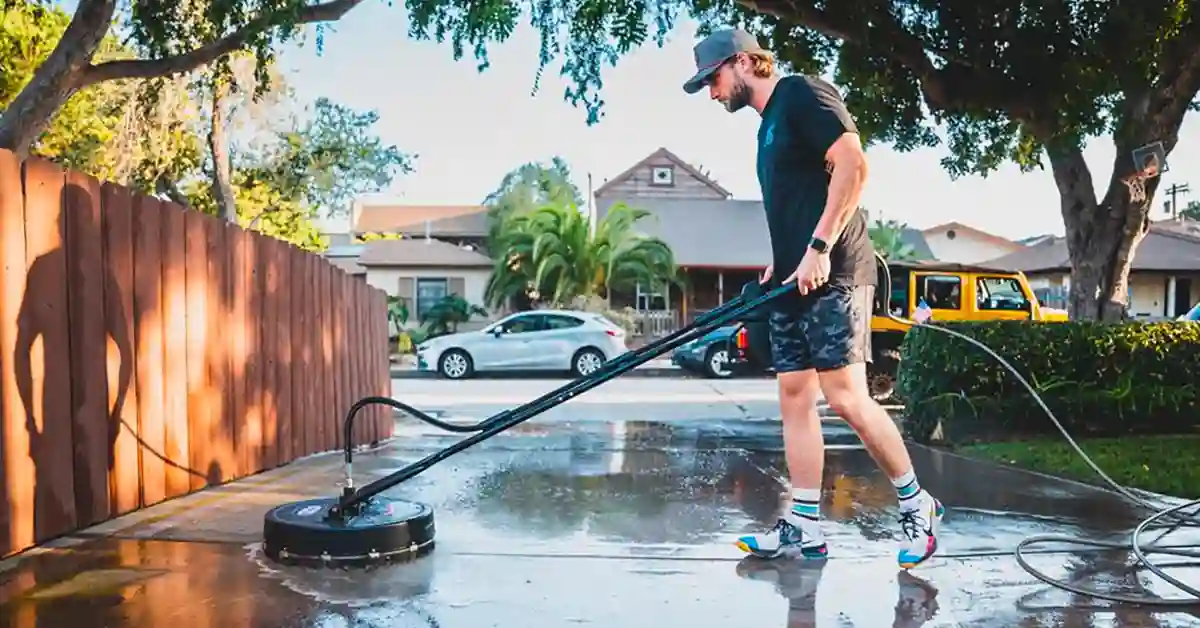
If you’re thinking about starting a pressure washing business, one of the first questions you need to answer is whether you need a license to operate legally. The short answer: yes, you’ll almost certainly need at least a general business license, and depending on your state and the services you offer, you may need additional permits and certifications.
This guide breaks down exactly what licenses, permits, and insurance you need to start a pressure washing business in 2026—including state-specific requirements, costs, and the software for pressure washing businesses that will help you run your operation professionally from day one.
The Quick Answer: What Licenses Do You Need?
Every pressure washing business needs some combination of the following. The exact requirements depend on your state, city, and the scope of your services:
| License/Permit | Required? | Typical Cost | Where to Apply |
|---|---|---|---|
| General Business License | Yes — almost everywhere | $25–$100 | City or county clerk |
| EIN (Tax ID) | Yes — required for taxes | Free | IRS.gov |
| Contractor’s License | Some states (CA, AZ, etc.) | $150–$500 | State licensing board |
| Environmental Permit | Often required | $50–$300 | State EPA or local office |
| Wastewater Discharge Permit | Many municipalities | $100–$500 | Local water authority |
| Sales Tax Permit | If charging sales tax | Free–$50 | State dept. of revenue |
| General Liability Insurance | Strongly recommended | $500–$2,000/yr | Insurance provider |
Pressure Washing License Requirements by State
Licensing requirements vary significantly from state to state. Here’s a breakdown of some of the most common states where pressure washing businesses operate:
States Requiring a Contractor’s License
California: Requires a C-61/D-63 specialty contractor’s license through the Contractors State License Board (CSLB). You must have at least four years of journeyman-level experience, pass a trade exam and a law/business exam, and pay approximately $480 in application and license fees. California is one of the strictest states for pressure washing licensing.
Arizona: Requires a specialty contractor’s license from the Arizona Registrar of Contractors. Applicants must pass a trade exam and a business management exam. Fees are approximately $200–$400.
Oregon: Requires a Construction Contractors Board (CCB) license for pressure washing services that exceed a certain dollar threshold. License requires surety bond and insurance proof.
States with General Business License Only
Texas: No specific contractor’s license required for pressure washing. A general business license and EIN are sufficient in most municipalities. Some cities (Houston, Dallas, Austin) may require additional local permits.
Florida: No state contractor’s license needed for pressure washing specifically, but you’ll need a general business license and may need a local occupational license depending on your county. Florida is one of the most popular states for pressure washing businesses due to the climate.
Georgia: Requires a general business license at the county level. No state contractor’s license needed for basic pressure washing services. Some counties require an occupational tax certificate.
North Carolina: General business license required. No state-level contractor’s license for pressure washing, but check county and city requirements, as some municipalities have additional permitting.
States with Environmental Permit Requirements
Michigan: While no specific pressure washing license is required, you’ll likely need a wastewater discharge permit from the Department of Environment, Great Lakes, and Energy (EGLE). This is particularly important if you’re washing near waterways.
Washington: Strict stormwater regulations. Many municipalities require a stormwater discharge permit. The Department of Ecology oversees compliance. Pressure washers must capture and properly dispose of wastewater.
Colorado: Environmental permits required for commercial pressure washing in many counties. Wastewater cannot be discharged into storm drains without a permit from your local water authority.
Pro tip: Regardless of your state, always check with your city and county licensing offices. Many municipalities have their own requirements on top of state regulations. A quick phone call to your local business licensing office can save you from fines down the road.
Environmental Compliance: What Every Pressure Washer Must Know
Environmental regulations are a critical consideration for pressure washing businesses that many new operators overlook. Under the federal Clean Water Act, it’s illegal to discharge pollutants into storm drains or waterways without authorization. Pressure washing runoff often contains chemicals, detergents, oil, grease, and debris—all of which are classified as pollutants.
What this means for your business:
- Capture wastewater: Many municipalities require you to capture and properly dispose of all wastewater. Invest in a wastewater reclaim system or vacuum recovery unit.
- Use approved chemicals: Only use biodegradable, EPA-approved cleaning solutions. Document what chemicals you use on each job—work order software can help you track this automatically.
- Obtain discharge permits: If you’re working near waterways, storm drains, or environmentally sensitive areas, get the required permits before you start.
- Keep records: Document your compliance efforts. If you’re ever audited, having organized records of your wastewater disposal, chemical usage, and permits will protect your business.
Insurance Requirements for Pressure Washing Businesses
Insurance isn’t just a good idea—in many states, it’s required before you can get a business license. Pressure washing carries real risk: you could damage a client’s siding, break a window, injure a bystander, or slip on a wet surface. Without insurance, a single incident could bankrupt your business.
| Insurance Type | What It Covers | Typical Cost |
|---|---|---|
| General Liability | Property damage, bodily injury to clients or third parties | $500–$2,000/yr |
| Workers’ Comp | Employee injuries on the job (required if you have employees) | $1,000–$3,000/yr |
| Commercial Auto | Your work vehicle, trailer, and equipment in transit | $1,200–$3,000/yr |
| Equipment/Inland Marine | Your pressure washers, hoses, and tools against theft or damage | $300–$1,000/yr |
Tip: Many commercial clients and property managers require proof of insurance before they’ll hire you. Having your insurance certificates organized and ready to send at a moment’s notice gives you a professional edge. A CRM for power wash businesses can store these documents alongside your customer records for easy access.
Do You Need Certification?
Certification is not legally required in any state, but it’s becoming increasingly valuable as a competitive differentiator. Two main organizations offer pressure washing certifications:
Power Washers of North America (PWNA): Offers multiple certification levels covering residential, commercial, and environmental compliance. PWNA certification is widely recognized in the industry.
UAMCC (United Association of Mobile Contract Cleaners): Offers training programs and certifications focused on mobile cleaning contractors.
Why certification matters: Certified pressure washers can charge 15–25% more per job on average. Certification also helps you win commercial contracts where clients require proof of training and competency. If you’re building a business that will scale beyond just you, certification sets a professional standard for your entire team.
Setting Up Your Pressure Washing Business for Success
Getting licensed is just the starting line. The pressure washing businesses that grow and thrive are the ones that run professionally from day one—organized scheduling in pressure washing scheduling software, prompt invoicing through pressure washing invoicing software, clean customer records in a pressure washing crm, and a system for turning one-time jobs into repeat customers.
This is where most new operators make a critical mistake: they invest thousands in a pressure washer, trailer, and chemicals but try to manage the actual business with text messages, paper invoices, and a spreadsheet. That works for the first handful of jobs. It falls apart fast once you’re juggling 10–20 clients per week.
The Tools You Need to Run a Pressure Washing Business
Modern field service management software gives you everything you need to run your operation in one platform. Here’s what to look for and how it applies to a pressure washing business:
- Scheduling & Dispatch: A drag-and-drop service scheduling calendar lets you book jobs, assign crews, and avoid double-bookings. When a customer calls for a quote, you can see your availability instantly and confirm the appointment on the spot.
- Estimates & Work Orders: Create professional pressure washing estimates from your phone and convert them to work orders with one tap. Track job details, chemical usage, before/after photos, and completion status all in one place.
- Invoicing & Payments: Send invoices the moment a job is done with invoicing for field service companies built for field service. Accept credit card payments on-site. No more chasing checks or waiting 30 days to get paid.
- Customer CRM: Track every customer’s property details, service history, and preferred schedule in a CRM for service businesses. When it’s time to follow up for their annual house wash, you’ll know exactly when to call and what they paid last time.
- Mobile App: A mobile field service app puts your entire business in your pocket. View your schedule, navigate to job sites, update job status, capture photos, and collect digital signatures—all from the field.
- Route Optimization: Pressure washing is a high-travel business. Smart scheduling that clusters nearby jobs on the same day saves fuel, time, and wear on your equipment.
Bella FSM is a field service management platform built for service businesses like pressure washing, lawn care, HVAC, and plumbing. Plans start at $35/month with a free trial, no credit card required. It replaces the patchwork of spreadsheets, paper invoices, and sticky notes that most new operators start with—and gives you a professional system that scales as you grow.
Next Steps After Getting Licensed
Once your licenses, permits, and insurance are in place, you’re ready to start building your business. We’ve put together detailed guides on the next steps:
- For a complete walkthrough of launching your business—from buying equipment to landing your first customer—read our guide to starting a pressure washing business.
- For help setting competitive rates, see our pressure washing pricing guide with service-by-service breakdowns and regional benchmarks.
- Need professional estimates to send to clients? Grab our free pressure washing estimate template.
And when you’re ready to stop managing your business from a notebook and start running it like a pro, Bella FSM gives you scheduling, invoicing, CRM, and a mobile app in one platform—free trial, no credit card required.
Frequently Asked Questions
The Bottom Line
Starting a pressure washing business is one of the most accessible paths into entrepreneurship—but doing it right means getting licensed, insured, and organized before you pull the trigger on your first job. The licensing requirements aren’t complicated in most states, but ignoring them can lead to fines, lawsuits, or losing your business entirely.
Take the time to research your state and local requirements, invest in proper insurance, and set up professional business systems from the start. The pressure washers who succeed long-term aren’t just great at cleaning—they’re great at running a business.
Ready to run your pressure washing business like a pro?
Try Bella FSM free and get scheduling, invoicing, CRM, and work orders in one platform—no credit card required.