
Grow Your Business
Contractor Invoicing Software for Progress Billing & Project Costs
Invoice by milestone, track every subcontractor dollar, and protect your margins on every project.
START FREE TRIAL

General contracting billing is fundamentally different from other trades. A plumber invoices for a single visit. An electrician bills for a repair and parts. A general contractor bills across weeks or months of work, with material purchases, subcontractor costs, permit fees, change orders, retainage holdbacks, and progress milestones all generating separate line items on a single project.
One missed line item on a $200,000 renovation is not a rounding error. It is thousands of dollars in lost profit.
Bella FSM provides invoicing software built for general contractors that handles multi-phase progress billing, subcontractor cost tracking, change order management, and retainage. As part of our complete general contractor software platform, invoicing integrates directly with contractor scheduling and contractor CRM.
Why General Contractor Invoicing Is Different
Most invoicing software is designed for simple transactions: service performed, invoice sent, payment received. General contracting does not work that way. A typical commercial renovation project might involve:
- A signed contract with a 10-20% deposit before work begins
- Progress payments tied to completion milestones (foundation, framing, rough-in, finish)
- Material purchases billed at cost-plus markup
- Subcontractor invoices tracked and passed through to the client
- Change orders that modify the original scope and budget mid-project
- Retainage holdbacks of 5-10% released only after final inspection
- A final completion invoice after punch list items are resolved
Generic invoicing tools cannot handle this complexity. You end up creating workarounds in spreadsheets, which means double data entry, version control issues, and billing errors that cost you money.
Progress Billing Tied to Project Milestones
Progress billing is the backbone of general contractor cash flow. You cannot wait until a three-month project is complete to send an invoice. You need to bill as milestones are reached to keep cash flowing and fund ongoing work.
Bella FSM's progress billing tools let you:
- Define billing milestones when creating the project (deposit, framing complete, rough-in, finish, final)
- Generate milestone invoices directly from the project record
- Track completed vs remaining billing against the total contract value
- Send milestone invoices digitally with supporting documentation attached
- Monitor payment status for each milestone across all active projects
When combined with contractor scheduling software, your office staff can see exactly which milestones have been reached and generate the corresponding invoice without calling the job site for updates.
Cash Flow Tip
Set up your project milestones in Bella FSM before the first day on site. When each phase is complete, the invoice is one click away instead of an end-of-month scramble to reconstruct what was done.
Track Subcontractor Costs & Pass-Through Billing

On most general contracting projects, subcontractor labor and materials represent 60-70% of total project cost. If you are not tracking these costs in real time, you cannot know your actual margin until the project is over. By then it is too late to adjust.
Bella FSM helps contractors manage subcontractor billing:
- Record subcontractor invoices against specific projects
- Track cost-plus markup percentages for materials and labor
- Compare actual subcontractor costs against original estimates
- Generate client invoices that include itemized sub costs with markup
- Monitor total subcontractor spend vs budget across all active projects
With subcontractor details stored in your contractor CRM, payment history and performance records are always accessible when awarding new work or negotiating rates.
Change Order Documentation & Billing

Change orders are where general contractors either protect their profit or silently absorb costs. When a homeowner decides to upgrade countertops mid-project or a commercial client adds a second bathroom, the scope changes. If that change is not documented and billed, the contractor eats the cost.
Bella FSM structures change order management:
- Create change orders tied to the original project and contract
- Document the scope change with descriptions, photos, and cost impact
- Capture client approval with digital signatures before work begins
- Automatically adjust the total contract value and remaining billing
- Include change order line items on the next progress invoice
Undocumented change orders are one of the top causes of profit erosion for small to mid-size general contractors. Every scope change needs a paper trail connecting the client approval to the updated invoice. Bella FSM creates that trail automatically.
Retainage & Holdback Management
On commercial projects, property owners typically hold back 5-10% of each progress payment as retainage. This amount is released only after the project passes final inspection and the punch list is complete. For a $500,000 project, that is $25,000-$50,000 sitting in holdback.
Bella FSM tracks retainage across your projects:
- Record retainage percentages per project at contract setup
- Calculate and display holdback amounts on each progress invoice
- Track total retainage receivable across all active projects
- Generate the final retainage release invoice when the project closes
Without retainage tracking, contractors often lose track of money owed to them. Multiply that across 10 active projects and the cash impact is significant.
How Invoicing Connects with CRM & Scheduling
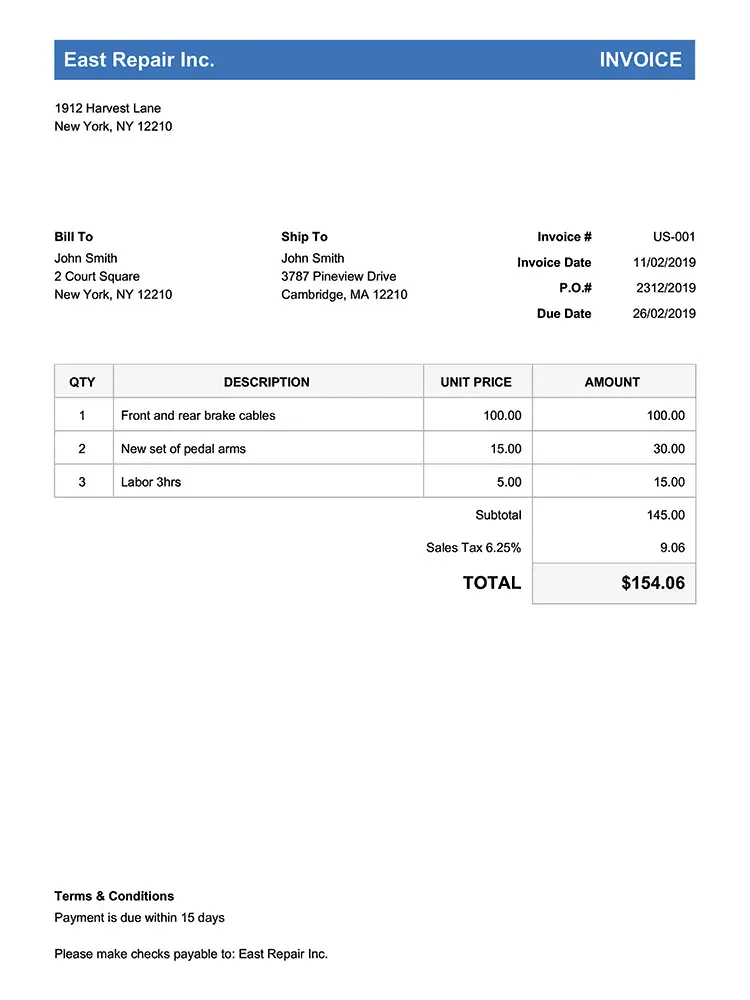
Contractor invoicing should not exist in a silo. When billing data is disconnected from your project schedule and client records, you end up with errors, delays, and frustrated clients.
Bella FSM integrates invoicing across your entire operation:
- Completed project milestones automatically flag for invoicing
- Client contact information pre-populates from CRM records
- Payment history feeds back into the client profile for a complete financial picture
- Subcontractor billing connects with scheduling for accurate cost allocation
- Job costing reports compare estimated vs actual revenue and costs
This means your bookkeeper, project manager, and field superintendent are all working from the same numbers. No reconciliation headaches at the end of the month. Client records in the contractor CRM stay synchronized with every invoice, and completed phases in the contractor scheduling trigger billing automatically.