
Grow Your Business
Contractor Scheduling Software
Contractor scheduling software for multi-trade project coordination.
Sequence trades, coordinate subcontractors, and hit every inspection deadline across every job site. One scheduling mistake on a general contracting project creates a cascade of delays. A delayed electrician holds up the drywaller, who holds up the painter, who holds up the final inspection.
Start Free Trial
Trade sequencing
Multi-site dashboard
Inspection milestones

Active projects
8 sites · all on schedule
Rough-in inspection
Buffer days built in
The Problem
Why General Contractor Scheduling Is Project-Driven
Most scheduling software is built for appointment-based businesses: a customer books a time slot, a technician shows up, the job is done in a few hours. General contracting works on an entirely different model. Sequencing multiple trades across multiple job sites, coordinating availability, aligning material deliveries with project phases, and hitting municipal inspection deadlines.
The reality
A renovation runs in phases
- Demolition crew for 2-3 days
- Structural framing for 1-2 weeks
- Rough electrical, plumbing, and mechanical, sequenced
- Municipal inspection after rough-in before work proceeds
- Insulation, drywall, then finish trades and final inspection
What appointment tools get wrong
Time blocks miss dependencies
- Calendars display slots but ignore trade dependencies
- One late trade cascades into every downstream phase
- Subs double-booked across separate job-site spreadsheets
- Inspection windows missed, delaying projects by weeks
- Material deliveries arrive before the site is ready
With Bella FSM
Built for project dependencies
- Subs scheduled in the correct build sequence
- Buffer days between trades for inspection wait times
- All active projects on one conflict-free dashboard
- Inspection milestones tracked with downstream auto-adjust
- Material deliveries aligned to each project phase
What contractor scheduling must handle
Key features of Bella FSM contractor scheduling software
Construction scheduling is about dependencies, not time slots. Bella FSM sequences trades, tracks inspections, and keeps every active job site coordinated so one delay doesn't cascade into the whole project.
Trade Sequencing
Schedule subs in the correct build order, foundation, framing, rough-in, finish, with buffer days built in for inspection waits.
Multi-Site Dashboard
See every active project and its current phase on one screen, and catch subcontractor conflicts across job sites before they happen.
Inspection Milestones
Track inspection requests, pass/fail results, and automatically shift downstream trades when an inspection slips.
Mobile Field Updates
Superintendents update job status, completion percentages, and photos from any phone or tablet right on the job site.
Material Delivery Coordination
Align delivery windows to project phases so lumber, cabinets, and fixtures arrive at the right site at the right time.
Drag-and-Drop Timeline
Move one trade and every dependent phase moves with it, so a single change updates the whole project timeline.

Correct build sequence
The critical detail
Trade Sequencing Across Subcontractors
The most critical aspect of general contractor scheduling is trade sequencing. Every construction project follows a logical order, and getting it wrong wastes time and money. With subcontractor records stored in the customer and subcontractor records hub, you can check availability, review past performance notes, and assign the right crew for each phase without leaving the scheduling view.
- Schedule subcontractors in the correct build sequence (foundation, framing, rough-in, finish)
- Set buffer days between trades to account for inspection wait times
- Visualize trade overlap on a project timeline to prevent conflicts
- Adjust downstream schedules when an upstream trade runs long
- Assign specific subcontractors based on trade, availability, and past performance
2–3
buffer days after rough-in
buffer days after rough-in
Scheduling Tip · Beat Inspector Delays
Build buffer days before the municipal inspection
Build in 2-3 buffer days after rough-in trades before scheduling the municipal inspection. Inspector delays are the most common source of schedule slippage on residential projects, and having a buffer prevents cascading delays across all downstream trades.
Start Free Trial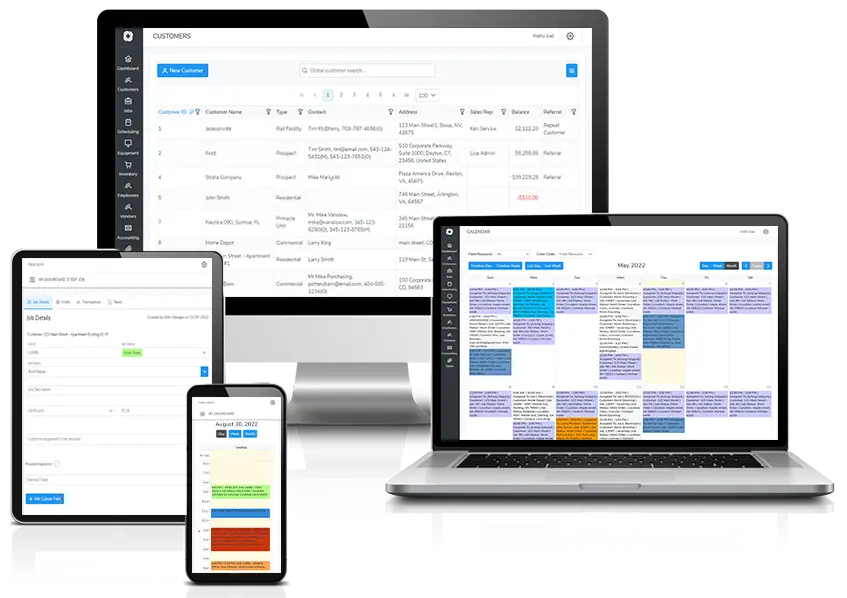
5–12 projects, one screen
No more double-bookings
Multi-Site Project Management from One Dashboard
Most general contractors run 5-12 active projects simultaneously. Each project has its own timeline, subcontractor mix, inspection schedule, and client expectations. Managing all of this across separate spreadsheets or whiteboards is a recipe for double-bookings and missed deadlines.
- View all active projects and their current phase at a glance
- See subcontractor commitments across all job sites to prevent overbooking
- Drag and drop schedule adjustments when priorities shift
- Filter views by project, subcontractor, trade, or date range
- Get real-time status updates from field superintendents via mobile
Update from the job site
On-site, in real time
Mobile Access for Field Superintendents
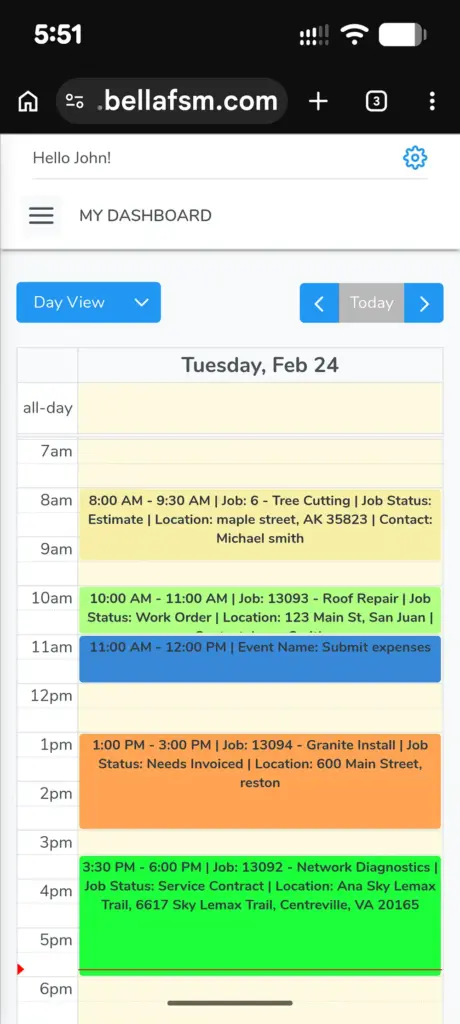
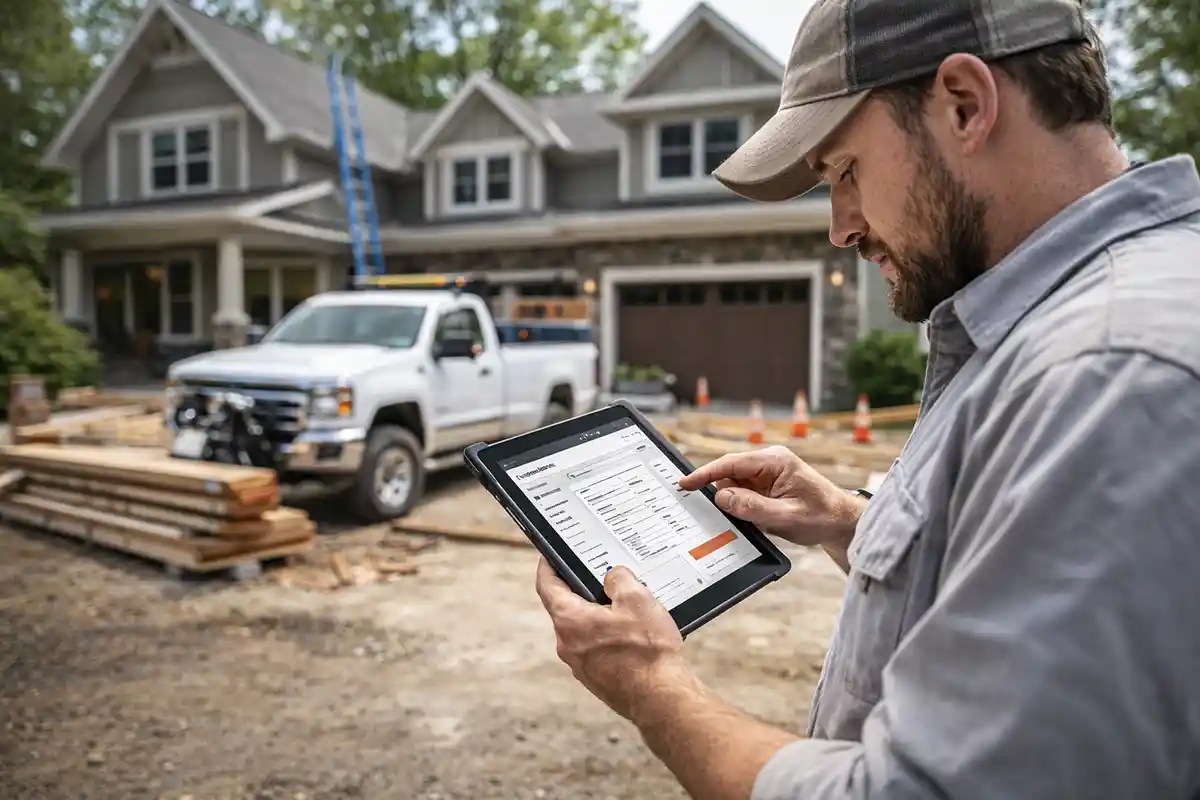
Your project superintendent needs to update schedules, check subcontractor assignments, and communicate changes from the job site. Driving back to the office to check a whiteboard is not an option. When the superintendent marks a phase complete on their phone, the office sees it immediately.
- Real-time schedule visibility from any phone or tablet
- Ability to update job status and completion percentages
- Photo documentation attached to project milestones
- Instant communication with the office about schedule changes
- Access to project documents, permits, and blueprints on site
Pass inspection, trigger billing
Hard deadlines, handled
Inspection Milestone Scheduling
Municipal inspections are hard deadlines that control the pace of every construction project. You cannot close drywall until rough-in passes inspection. When a phase passes inspection, the corresponding progress payment is ready to invoice through the progress billing tools. Your office does not need to chase the field for status updates.
- Schedule inspection requests as milestones within the project timeline
- Set reminders to submit inspection requests before the work reaches that phase
- Track inspection results (pass, fail, conditional) with notes
- Automatically adjust downstream schedules when an inspection is delayed
- Maintain a log of all inspections per project for compliance records
No manual re-entry
One connected operation
How Scheduling Connects with CRM & Invoicing
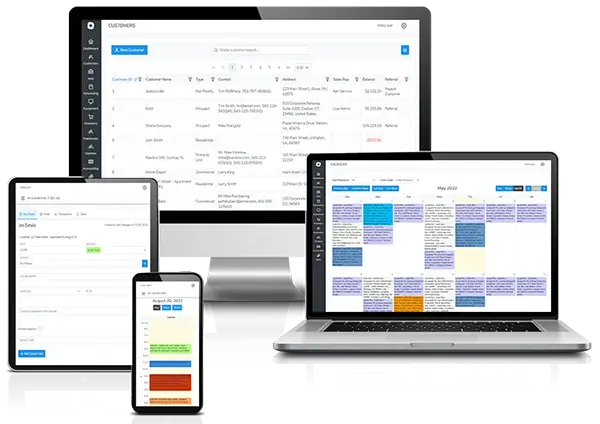
Scheduling data should flow into your client records and billing without manual re-entry. Client details from the customer and subcontractor records hub pre-populate every scheduled job, and completed work automatically flags for billing in the progress billing tools. This eliminates the disconnect between what happens in the field and what gets billed.
- Subcontractor assignments pull from client records with contact info and trade details
- Completed milestones trigger invoice generation through the billing system
- Client project history includes scheduling data and timeline records
- Job costing connects scheduled labor and materials with actual costs
Frequently Asked
Frequently Asked Questions About Contractor Scheduling Software
What is contractor scheduling software?
Contractor scheduling software helps general contractors manage project timelines, coordinate subcontractor assignments, sequence trades, and track inspection milestones across multiple active job sites. It replaces whiteboards and spreadsheets with a centralized digital platform.
How is contractor scheduling different from appointment scheduling?
Appointment scheduling books individual time slots for service calls. Contractor scheduling manages multi-phase projects with trade dependencies, inspection deadlines, subcontractor coordination, and material delivery timing. The workflow is project-driven, not appointment-driven.
Can contractor scheduling software handle multiple active projects?
Yes. Bella FSM provides a centralized dashboard where you can view and manage all active projects, check subcontractor availability across sites, and prevent scheduling conflicts between jobs.
Does contractor scheduling software track inspections?
Yes. You can schedule inspection milestones within project timelines, track pass/fail results, and automatically adjust downstream trade schedules when inspections are delayed.
Can contractor scheduling software connect with invoicing?
Yes. Bella FSM integrates scheduling with invoicing so completed milestones can trigger progress invoice generation. This eliminates the delay between work completion and billing.
Keep every trade on schedule
Stop managing projects on whiteboards and spreadsheets.
Coordinate every trade on every job site, hit every inspection window, and keep one delay from cascading into the whole project. Try Bella FSM free for 14 days. No credit card, cancel anytime.
What you get on day one
- Trade-sequenced project scheduling with buffer days
- One dashboard for every active job site
- Mobile updates from field superintendents
- Inspection milestone tracking with downstream auto-adjust
- Scheduling that flows into client records and billing