
Grow Your Business
Panel Upgrade vs Load Management: What Electrical Contractors Should Quote in 2026
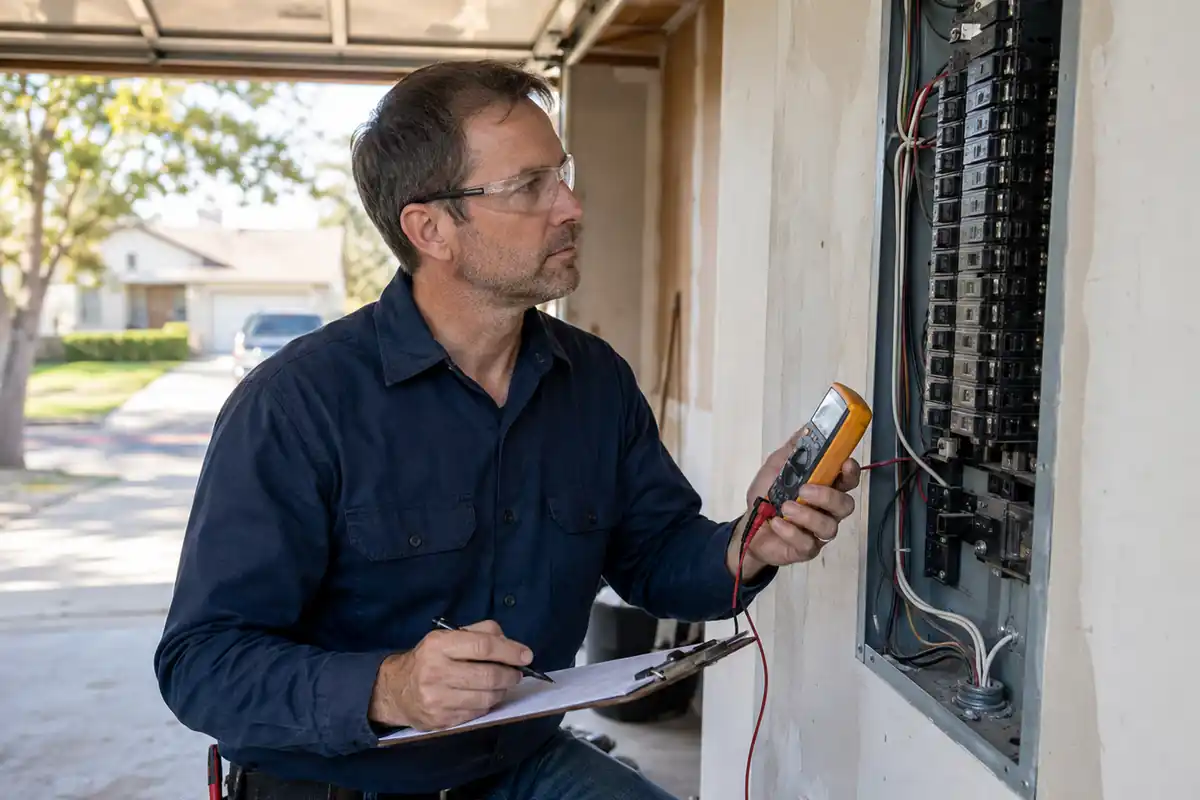
A homeowner calls Monday morning. They just bought an EV, the dealer told them a Level 2 charger is a two-hour job, and their house has a 100-amp panel from 1978. You have maybe four minutes on the phone to decide whether this is a $2,000 one-visit job or a $6,000 three-visit job that drags the utility into your schedule. Get it wrong and you either lose the bid or eat the difference. The panel upgrade vs load management decision is now the most common quoting fork in residential electrical work, and plenty of shops still handle it by gut feel. A shop running structured electrical contractor software can at least pull up what the last three houses on that street needed.
What changed in 2026 for panel upgrade vs load management calls
Demand went vertical and the code caught up to the hardware, both in the same year.
EV charger installation searches are up 211 percent year over year and panel upgrade searches are up 156 percent. EV registrations grew about 40 percent across the Southeast and Texas through Q1 2026, and the federal 30C credit is still claimable for tax year 2026, which pulls installs forward. Wait times for non-emergency residential panel work now run four to eight weeks in markets like Atlanta, Phoenix and Dallas.
On the code side, NEC Article 705 requires a load management device to carry a UL 3141 listing before it can substitute for a service upgrade. That listing is the whole ballgame. A UL 3141 device actively limits current on the busbar, so the inspector has something to approve instead of something to argue about. Seven of the nine smart panels and controllers in the 2026 market surveys carry it, with Schneider Square D, SPAN and Eaton Brightlayer most common on residential jobs.
If your estimators still quote every EV charger as an automatic service upgrade, you are losing jobs a competitor closes the same afternoon. Build the two-path quote into your intake script so the choice gets made before the truck rolls. That is a workflow problem, which is why shops with tight electrical contractor scheduling software book these assessments faster than shops on a whiteboard.
Run the load calculation before you quote either path
Nothing here works without an NEC Article 220 load calculation. Not a guess, not a glance at the panel schedule. It tells you whether the service has headroom, and it is the document the AHJ will ask for. Four patterns cover most residential jobs:
- Gas heat, gas water heater, gas range on 100-amp service. Almost always supports a 48-amp Level 2 charger with load management. Calculated demand usually lands between 55 and 70 amps.
- All-electric with resistance heat on 100-amp service. Almost never works. A device that sheds heat in January generates a callback in January.
- Heat pump plus electric water heater on 100-amp service. The genuine coin flip, and where the calculation earns its keep.
- Any Zinsco, Federal Pacific or Challenger panel. Upgrade, regardless of the math. You do not bolt a $900 controller onto a busbar with a known failure history and put your license behind it.
That last one is where contractors get hurt. A load management device does not fix a defective panel, and installing one signals that you inspected the equipment and approved it. Photograph the panel interior on every assessment. Shops keeping those photos and load calcs inside electrical contractor CRM software can pull the file two years later when the customer adds a heat pump.
The calculation is also billable. Charge for the assessment, credit it against the job if they buy, and stop giving away the one part of the process that requires a licensed opinion.
If you have not set a rate, our guide to how to estimate electrical work covers pricing the assessment as its own line item.

The margin math: what each path is actually worth
Sticker price favors the upgrade. Margin per truck-hour tells a different story, and that is the number that should shape your recommendation.
| Factor | Load management device | 100A to 200A service upgrade |
|---|---|---|
| Typical installed price | $1,550 to $2,800 | $4,200 to $8,300 |
| Hardware cost | $600 to $1,200 | $800 to $1,900 |
| Truck visits | 1 | 2 to 3 |
| Utility dependency | None | Meter pull and reconnect |
| Typical calendar time | 3 to 10 days | 3 to 8 weeks |
A load management install runs four to six hours with one electrician and cash collected the same day. A service upgrade runs eight to fourteen hours across multiple visits, plus office time chasing the meter release and a receivable open for weeks. Per hour, the two are closer than the invoice totals suggest.
The upgrade still wins on lifetime value. A 200-amp service opens the door to the heat pump, the battery, the hot tub and the second charger, and each is a future call to you.
Either way, the load calculation, panel photos, device listing and permit number belong on the job rather than scattered across three apps. Contractors running proper work order management software hand the tech a complete packet instead of a text message.
Same-day invoicing is the whole cash-flow advantage of a one-visit job, and it evaporates if the paperwork rides in a truck for a week. Shops using electrical contractor invoicing software close that gap in the driveway.
Ready to level up your business?
Try Bella FSM free and transform the way you work.
Permits, utility coordination, and the schedule risk you inherit
Both paths need a permit. Only one drags a utility into your production schedule, and that difference is worth more than most estimators price into the job.
A service upgrade means a meter pull, a disconnect and a reconnect, all on the utility's calendar. Service queues at the larger utilities are running 60 to 90 days in busy territories, and even routine meter releases take two to three weeks. You are quoting a completion date you do not control.
Two habits reduce the damage. File the utility service request in parallel with the AHJ permit application rather than waiting for the permit to clear, which is the biggest single compression lever on calendar time. Then watch expiration: most permits run 180 days, with the clock resetting on each passed inspection, so a stalled job expires quietly and forces a refile.
We covered the tracking side in our post on building an electrical permit tracking workflow, so I will not repeat it here.
The point specific to this decision is narrower: price the coordination. A service upgrade carries three to five hours of unbilled office time chasing utilities and inspectors. If that is not in your overhead recovery, your upgrade jobs are quietly subsidizing your load management jobs. An hour with your job costing reports and your electrical contractor business software will show which way it runs.
Sequencing the visits is its own discipline. The same rules that keep EV charger installation scheduling from collapsing apply here: hold the second visit as a soft slot, confirm it only when the meter release lands, and never promise a firm date on a utility-dependent job.
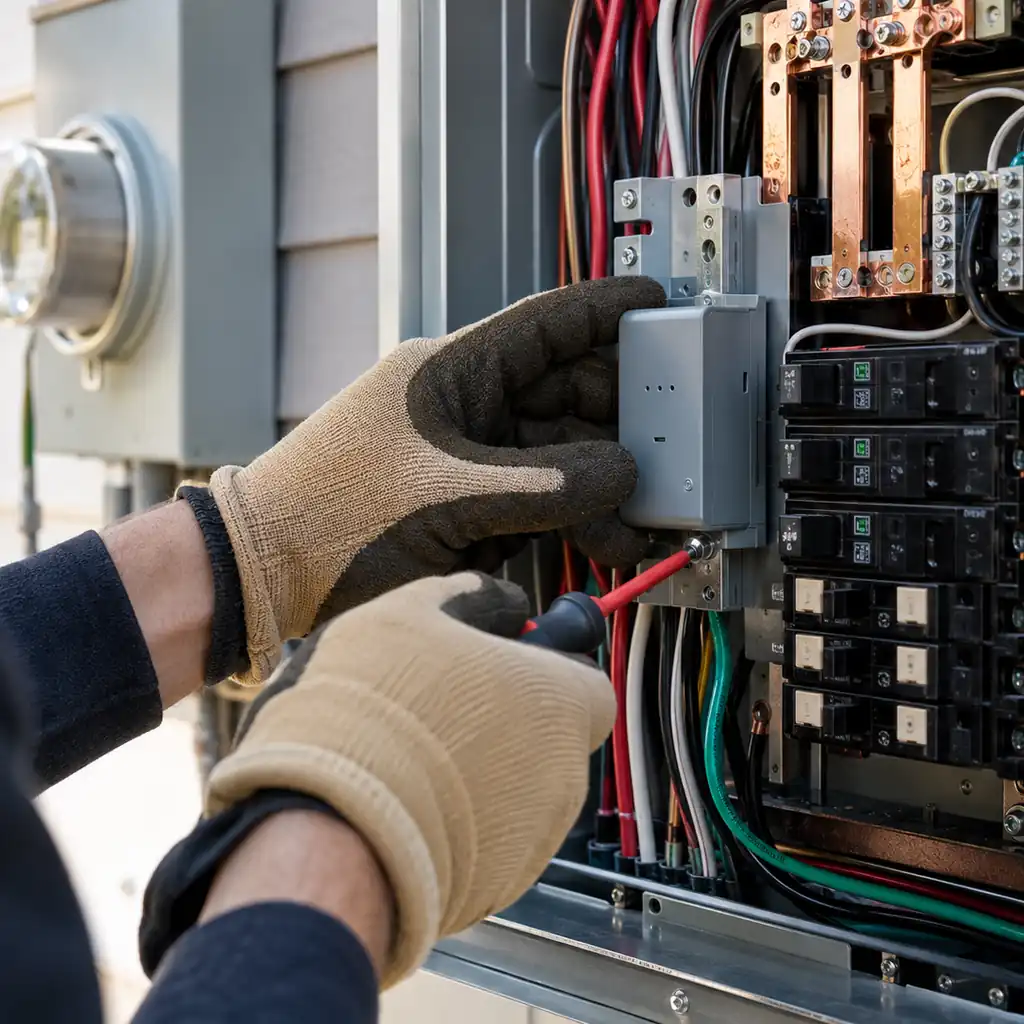
How to present both options without losing the job
Most homeowners arrive having read that a panel upgrade runs $4,000 to $15,000, because that range covers the worst case where the utility touches the service drop. Reset the expectation with your own numbers and a recommendation rather than handing them a menu.
- Lead with the calculated number. "Your demand calculates to 68 amps. You have 100. Here is what fits." Nobody argues with arithmetic.
- Recommend, do not just present. Show both paths, then say which one you would install in your own house and why. Estimators who offer two options and no opinion tend to close fewer of them.
- Name the tradeoff honestly. Load management means the dryer and the car negotiate for capacity. Most families never notice, and the ones who do should hear it from you rather than a forum thread six weeks later.
- Put the upgrade path in writing anyway. "If you add a heat pump later you will need the 200-amp service, and today's device credits nothing toward it." That sentence prevents the angriest call in this trade.
Then follow up. A customer who picks load management in 2026 is a service upgrade lead in 2028, usually triggered by a new appliance or a second vehicle. A tagged, dated reminder inside your electrical contractor crm turns a declined upgrade into a booked job.
These assessments should also go to the estimator who actually runs load calcs rather than whoever is closest. Routing by skill instead of proximity is what electrical contractor dispatch software is for.
Ready to take your business further?
Start using Bella FSM free and work smarter.
Five mistakes that turn a load management job into a callback
These five show up in warranty logs more than anything else.
- Installing an unlisted device. If it is not UL 3141 it does not satisfy Article 705, and the inspector can fail it after you have collected.
- Skipping the busbar rating check. The service can be adequate while the busbar is not, especially on older 100-amp equipment.
- Ignoring future solar or battery plans. A controller sized only for the charger can complicate a later interconnection.
- Working without a documented load calculation. You have no defense if anything downstream fails.
- Leaving the invoice for the office. Shops on modern electrical contractor billing software collect in the driveway while shops on paper wait 30 days.
Four of those five are documentation failures rather than technical ones. Paperwork habits cost less to fix than skill gaps.
Frequently Asked Questions
Getting the panel upgrade vs load management call right
For most shops the panel upgrade vs load management question is not a technical problem. The calculation takes twenty minutes and the code language is clear enough. What breaks down is the process around it: assessments nobody documents, quotes that present one path, permits that expire while a meter release sits in an inbox.
So standardize the intake questions, charge for the load calculation, quote both paths with a recommendation attached, and keep the packet on one record from assessment through payment. Bella FSM handles the multi-visit, permit-dependent work that fills a residential electrical schedule. If your Monday morning calls still get decided by gut feel, start there.
Ready to grow your business?
Try Bella FSM free and simplify your work.