
Grow Your Business
How to Build a Tree Service Plant Health Care Program That Drives Recurring Revenue
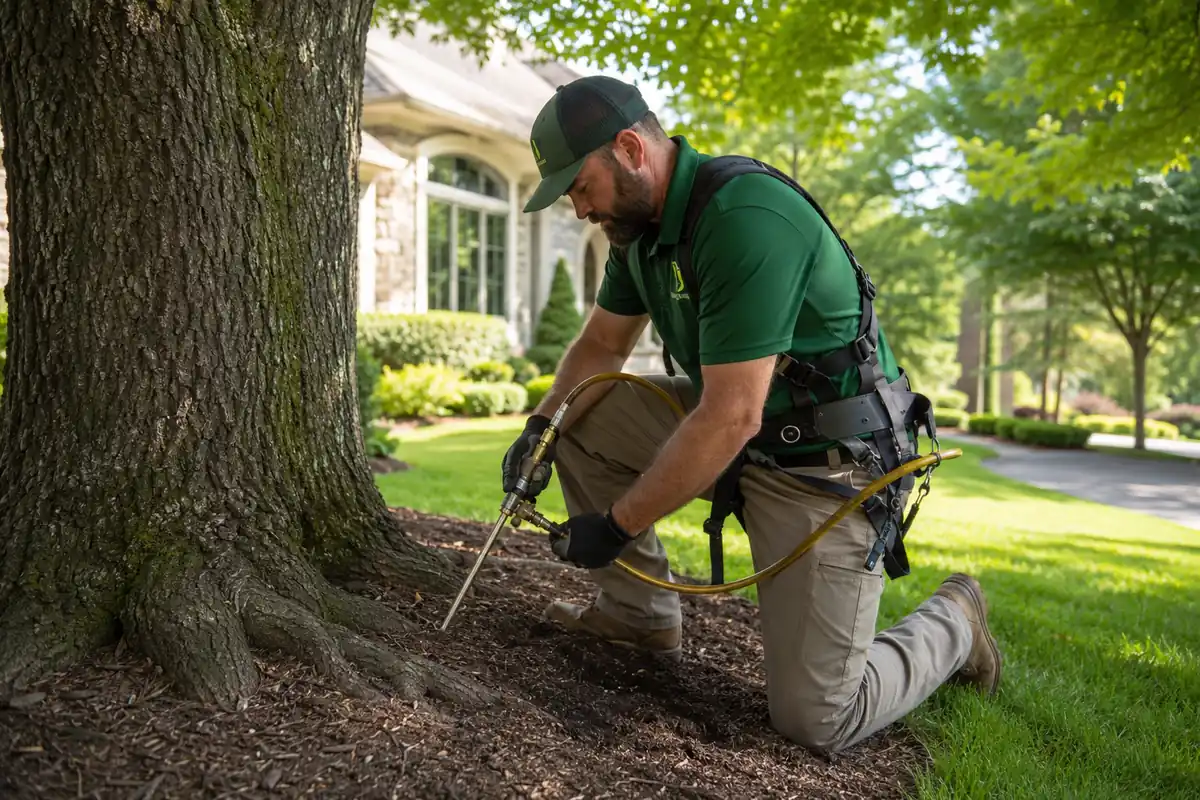
On Monday morning, a lot of tree service owners look at a schedule packed with one-time removals and storm cleanups, then notice that two weeks out the calendar is wide open again. That feast-or-famine swing is the single biggest threat to a growing tree care company. The right tree service software helps you run the work you already have, but the deeper fix is a different revenue model. A tree service plant health care program turns scattered, weather-dependent jobs into predictable, recurring income. Instead of waiting for a dead limb or the next windstorm, you sell ongoing soil care, pest and disease monitoring, and seasonal treatments that bring your crews back to the same properties several times a year. The trees stay healthier, the customer stays loyal, and your cash flow stops looking like a roller coaster.
Why a Tree Service Plant Health Care Program Beats One-Off Calls
One-off tree work is expensive to win. You pay for the lead, drive out for the estimate, and compete on price against every other bidder in town. Then the job ends and the relationship resets to zero. A recurring plant health care plan flips that math. You earn the customer once, then bill them for years.
The market is moving this direction fast. The tree and lawn care service market is projected to grow from about $2.04 billion in 2026 to $2.56 billion by 2034, and the clearest driver is the shift toward diagnostic plant health care: soil testing, pest scouting, and long-term tree preservation rather than reactive cutting. Property owners increasingly want their mature trees protected, not just removed when they fail.
For an owner, the operational wins are concrete:
- Predictable revenue. A book of 200 properties on annual plans gives you a baseline you can forecast, hire against, and borrow against.
- Denser routes. Recurring visits cluster in neighborhoods, so crews spend more time treating and less time driving.
- Higher lifetime value. A PHC customer who also needs pruning and removals sends those jobs to you first, because you are already on the property.
- Lower acquisition cost. You amortize the original marketing spend across years of billing instead of a single invoice.
What Goes Into a Diagnostic PHC Program
Plant health care is not a single product. It is a bundle of scheduled, season-aware services tied to the trees on a specific property. The strongest programs start with a diagnosis, then build a year-round calendar around it.
The diagnostic baseline
An ISA Certified Arborist walks the property, inventories the significant trees, and notes species, size, condition, and any active threats. This baseline does two things. It tells you exactly what to treat, and it gives the customer a written record that justifies the plan. Photographing each tree during this visit creates a before-and-after trail you will lean on at renewal time.
The recurring service calendar
From the baseline you build a schedule of three to six visits a year. A typical mix looks like this:
- Early spring: dormant oil application, soil sampling, and a deep-root fertilization to push healthy growth.
- Late spring: targeted treatment for emerging pests such as emerald ash borer or spotted lanternfly, both spreading across new counties in 2026.
- Summer: disease scouting, mite and aphid checks, and supplemental watering guidance during drought.
- Fall: root-zone fertilization, mulching, and a structural assessment heading into storm season.
Because each visit is short and predictable, you can stack several properties into a single route day. That density is where plant health care recurring revenue quietly becomes profitable.
Ready to level up your business?
Try Bella FSM free and transform the way you work.
How to Price Plant Health Care Plans
Pricing is where most owners either leave money on the table or scare customers off. The trick is to price the plan, not the hour. Customers buy peace of mind and a healthy tree, so sell them an annual figure broken into manageable terms.
A workable tiered structure for a residential tree care maintenance plan might look like:
- Essential, roughly $300 to $500 a year: two visits, soil care, and basic pest monitoring for a small lot with a few trees.
- Standard, roughly $600 to $1,200 a year: four visits, fertilization, targeted treatments, and an annual arborist report.
- Premium, $1,500 and up: six visits, priority storm response, and full inventory monitoring for estate properties or many mature trees.
Anchor your price to the value of the trees, not the cost of the chemicals. A mature shade tree can add thousands of dollars to a property and cost far more to replace than a decade of care. Offer monthly billing to lower the perceived cost, and bundle a discount on pruning or removals for plan members so the program also feeds your higher-ticket work.

Scheduling and Routing Recurring Visits Without Chaos
The reason many owners avoid recurring programs is the fear of administrative overload. Two hundred properties, each on its own seasonal cadence, is impossible to track on a whiteboard. This is exactly the problem field service software solves. Strong tree service scheduling software lets you set a visit cadence once and then auto-generates the work orders for the whole season.
A few practices keep recurring visits efficient:
- Cluster by geography, not by sign-up date. Group plan visits in your tree service scheduling app so a crew treats an entire neighborhood in one pass instead of crossing town for a single property.
- Build weather flex into the calendar. Treatments are temperature and wind sensitive, so leave buffer days each week to absorb the visits a storm pushes back. The same discipline that powers good tree service storm response applies here.
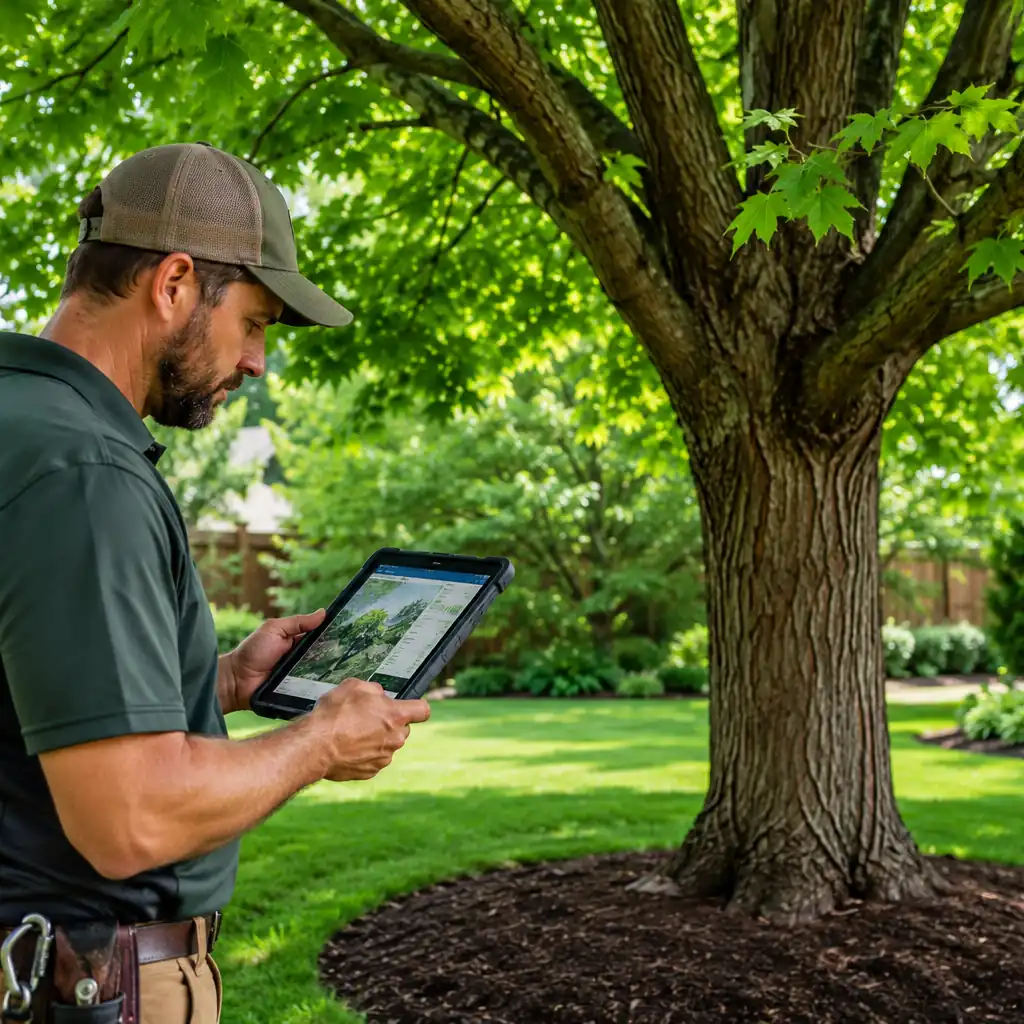
- Equip the crew in the field. Technicians should pull up the property history, the baseline photos, and the treatment plan on a tablet, then log what they applied and capture fresh photos before they leave.
When the schedule runs itself, your office staff stops chasing dates and starts selling more plans.
Ready to take your business further?
Start using Bella FSM free and work smarter.
Retention, Renewals, and Getting Paid on Time
A plant health care program only pays off if customers stay. Retention starts with communication. After every visit, send a short summary of what the crew did and what they observed, with photos. That steady proof of value is the best renewal pitch you will ever make.
Keep the back office tight with a few moves:
- Track every plan in one customer record. A purpose-built tree service CRM stores the property history, plan tier, renewal date, and treatment log in one place, so any team member can answer a customer question in seconds.
- Automate renewals. Set the system to flag plans 60 days out and trigger a renewal offer, rather than letting them lapse silently.
- Bill on autopay. Recurring invoicing through tree service invoicing software charges the card on file each month and chases failed payments automatically, which protects the cash flow the whole program is built on.
If you have never sold an ongoing agreement before, the mechanics of structuring terms, cancellation, and tiers are worth studying. Our guide to building a service agreement program walks through the contract language and rollout steps that apply directly to plant health care plans.
Metrics That Tell You the Program Is Working
Run the program by the numbers, not by gut feel. Four metrics tell you almost everything:
- Renewal rate. Aim for 85 percent or higher. A lower rate usually means weak post-visit communication, not bad treatments.
- Revenue per property. Track plan value plus the pruning and removal work each plan member sends you. This is the true payoff of recurring tree care services.
- Visits per route day. Rising density means your scheduling is improving and your margins are climbing.
- Plan mix. Watch the share of customers on Standard and Premium tiers. Nudging Essential members up one tier is the cheapest growth you can buy.
Review these monthly. Small corrections, like tightening routes or adding one photo to every visit summary, compound into real margin over a season.
Frequently Asked Questions
Start Small and Build the Book
You do not need 200 properties on day one. Pick your 25 best customers, the ones with mature trees who already trust you, and offer them a simple annual plan this season. Deliver visibly, send the photo summaries, and let word travel. A tree service plant health care program is the rare growth lever that makes your trees healthier, your customers stickier, and your revenue something you can finally predict. Bella FSM gives you the scheduling, a tree service crm, and tree service invoice software to run that program without drowning in paperwork, so your crews can stay in the field where the money is. Explore how Bella FSM’s tree service business software supports recurring tree care and see where your first 25 plans could take you.
Ready to grow your business?
Try Bella FSM free and simplify your work.